
Montana winters are not for the faint of heart. With temperatures regularly plunging well below zero and arctic cold snaps that can last for weeks at a time, your heating system is not a luxury in this part of the country. It is a lifeline. A furnace failure on a negative-twenty-degree night in Clinton or Missoula is more than an inconvenience. It is a genuine emergency that can put your family and your home's plumbing at serious risk.
The good news is that most winter HVAC emergencies are entirely preventable. A combination of proactive maintenance, smart preparation, and knowing when to call a professional can keep your system running reliably all season long, even through the worst that Montana's weather has to offer. At Blue Collar Heating and Air, we have seen firsthand what happens when homeowners skip seasonal maintenance, and we have also seen how a little preparation goes a long way toward avoiding costly breakdowns.
This guide covers everything you need to know to prepare your HVAC system for Montana's harshest season, from simple tasks you can handle yourself to professional services that will extend the life of your equipment and keep your energy bills under control.
Your Pre-Season HVAC Checklist
The best time to prepare your heating system for winter is early fall, well before you actually need it. Running through this checklist in September or October gives you time to address any issues before the first hard freeze arrives. Waiting until November or December to discover a problem means you will be competing with every other homeowner in the Bitterroot Valley for an emergency service call.
Replace Your Air Filters
This is the single easiest and most impactful thing you can do for your HVAC system, and it costs next to nothing. A clogged or dirty filter forces your furnace to work significantly harder to push air through the system. That extra strain increases energy consumption, accelerates wear on critical components like the blower motor, and reduces the overall air quality inside your home. During heavy-use winter months, you should be checking your filter every 30 days and replacing it at least every 60 to 90 days. If you have pets, run your system constantly, or live in a dusty area, monthly replacement is the safest bet.
Test Your Thermostat
Before winter hits, turn your thermostat to heating mode and set the temperature a few degrees above the current room temperature. Listen for the furnace to kick on and verify that warm air is actually coming through the vents within a few minutes. If your thermostat uses batteries, replace them now. A dead thermostat battery at two in the morning during a January cold snap is a miserable discovery. If you are still using an older manual thermostat, consider upgrading to a programmable or smart model. The energy savings from automatically lowering the temperature while you sleep or are away from home can pay for the upgrade within a single heating season.
Inspect Your Ductwork
Leaky or disconnected ducts are one of the most common and overlooked sources of energy waste in Montana homes. The Department of Energy estimates that the average home loses 20 to 30 percent of its heated air through duct leaks, gaps, and poorly sealed connections. Walk through your basement, crawl space, and attic and visually inspect any exposed ductwork. Look for obvious gaps, disconnected joints, or sections where the insulation has fallen away. Seal any visible leaks with mastic sealant or metal-backed tape. Avoid standard duct tape despite its name, as it degrades quickly under temperature changes and does not hold up over time.
Clear All Vents and Registers
Walk through every room in your home and make sure all supply and return vents are open, unobstructed, and clean. Furniture, rugs, curtains, and stored items commonly end up blocking vents, which restricts airflow and forces your system to work harder. Blocked vents can also create pressure imbalances that lead to uneven heating, with some rooms becoming too hot while others stay cold. Vacuum the vent covers to remove dust buildup, and make sure the louvers are fully open in every room you want to heat.
Why a Professional Furnace Tune-Up Matters
The DIY tasks above are important, but they are only part of the equation. A professional furnace tune-up involves a thorough inspection and cleaning of components that most homeowners cannot safely or effectively access on their own. During a tune-up, a qualified technician will clean and inspect the burners, test the ignition system, check the heat exchanger for cracks, measure gas pressure, verify proper airflow, lubricate moving parts, test safety controls, and evaluate overall system performance.
Think of it like an oil change for your car. You can drive without one for a while, but eventually the lack of maintenance catches up with you, usually at the worst possible time and at a much higher cost than the maintenance would have been. A cracked heat exchanger, for example, is a serious safety hazard that can leak carbon monoxide into your home. It is also one of the most expensive furnace repairs. Regular tune-ups catch hairline cracks early, before they become dangerous or require a complete system replacement. If you are noticing warning signs that your furnace needs repair, do not wait for your annual tune-up. Call a professional right away.
We recommend scheduling your tune-up in early fall, before the heating season rush. Our schedule a tune-up page makes it easy to get on the calendar. Getting ahead of the season means you will not be waiting days for an appointment when everyone else discovers their furnace is not working on the first cold night.
Insulation and Weatherstripping: Your First Line of Defense
Even the most powerful and efficient furnace in the world cannot keep up if your home is leaking heat through every crack and gap. In Montana's extreme cold, poor insulation and worn weatherstripping can increase your heating costs by 30 percent or more and put unnecessary strain on your HVAC equipment. Before winter arrives, take time to address the most common trouble spots.
Start with your doors and windows. Run your hand along the edges of exterior doors and windows on a cool day. If you feel cold air coming in, the weatherstripping needs to be replaced. This is an inexpensive fix that makes a noticeable difference. Self-adhesive foam tape works well for most windows, while door sweeps and V-strip weatherstripping are effective for entry doors.
Check your attic insulation depth. In Montana's climate zone, the Department of Energy recommends R-49 to R-60 attic insulation, which translates to roughly 16 to 20 inches of fiberglass batt or blown-in insulation. If you can see the tops of your attic floor joists, you almost certainly do not have enough insulation. Adding insulation is one of the highest-return energy improvements you can make.
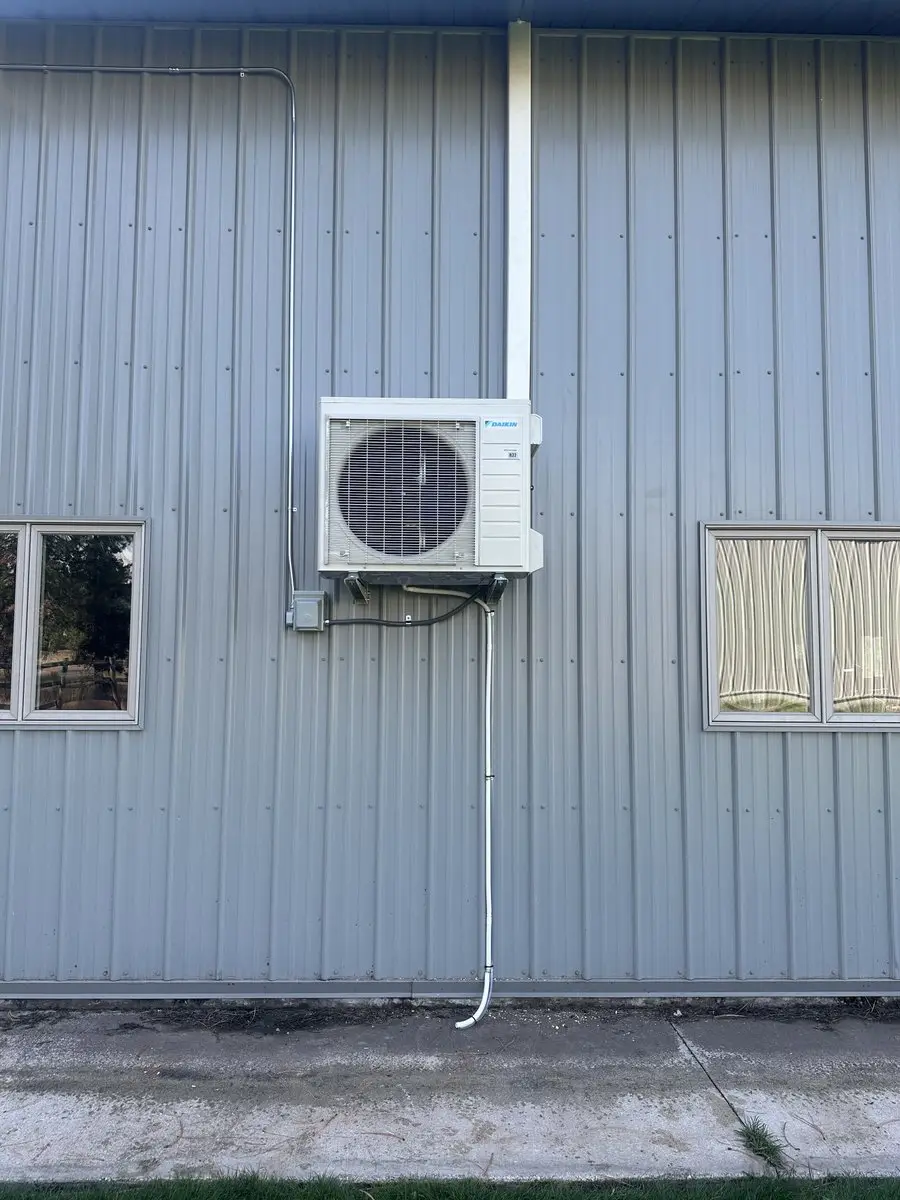
Do not forget about your basement and crawl space. Uninsulated basement walls and exposed crawl spaces are major sources of heat loss. Insulating these areas and sealing any penetrations where pipes, wires, or ducts pass through exterior walls can dramatically improve your home's ability to retain heat. If your home has areas where traditional ductwork is impractical, a ductless mini-split system can provide efficient supplemental heating without the need for extensive renovation.
When to DIY vs. When to Call a Professional
Montana homeowners tend to be resourceful and self-reliant, and there is plenty of HVAC maintenance you can and should handle yourself. Replacing filters, clearing vents, testing your thermostat, applying weatherstripping, checking insulation levels, and keeping the area around your outdoor unit clear of snow and debris are all straightforward tasks that require no special training or tools.
However, there are clear lines that should not be crossed when it comes to DIY furnace work. Anything involving gas lines, electrical wiring, the heat exchanger, burner assembly, or internal safety controls should always be handled by a licensed professional. Working on these components without proper training and equipment puts you at risk of gas leaks, electrical shock, carbon monoxide exposure, or fire. It can also void your manufacturer's warranty and create liability issues with your homeowner's insurance.
As a general rule, if the task requires you to open the furnace cabinet, disconnect gas or electrical connections, or use specialized diagnostic equipment, call a pro. The cost of a professional service call is minimal compared to the potential consequences of a DIY mistake on a gas appliance. Contact our team if you are unsure whether a task is safe to tackle yourself. We are always happy to walk you through it over the phone.
Carbon Monoxide Safety: The Silent Winter Danger
Carbon monoxide is an odorless, colorless gas that is produced as a byproduct of burning natural gas, propane, and heating oil. When your furnace is operating properly, carbon monoxide is safely vented outside through the exhaust flue. But when something goes wrong, such as a cracked heat exchanger, a blocked flue, or a malfunctioning burner, carbon monoxide can accumulate inside your home to dangerous or fatal levels. The risk is highest during winter because homes are sealed up tight against the cold, reducing natural ventilation that might otherwise dilute the gas.
Every home with a gas furnace, boiler, water heater, or any other combustion appliance must have working carbon monoxide detectors on every level of the house, including near all sleeping areas. Test your detectors monthly by pressing the test button, and replace the batteries at least twice per year. Most carbon monoxide detectors have a lifespan of five to seven years. Check the manufacture date on the back of each unit and replace any that are past their expiration.
Symptoms of carbon monoxide exposure include headache, dizziness, nausea, confusion, and fatigue. These symptoms are easily mistaken for the flu, which is why carbon monoxide is often called the silent killer. If your carbon monoxide detector goes off, or if multiple family members are experiencing these symptoms simultaneously, leave your home immediately and call 911. After the immediate danger is addressed, schedule a professional inspection to identify and fix the source before anyone returns to the home.
Emergency Preparedness for Heating Failures
Even with perfect maintenance, equipment can fail. Power outages, extreme cold snaps, and unexpected mechanical failures happen, and they tend to happen at the worst possible times. Having a plan for a heating emergency can prevent a bad situation from becoming a disaster, especially if you live in a rural part of Granite, Deer Lodge, or Ravalli County where help may take longer to arrive.
Keep a backup heat source available. A high-quality portable propane heater rated for indoor use, a wood stove, or a pellet stove can keep one room of your home warm enough to be safe while you wait for repairs. Make sure you have fuel on hand and that any combustion backup heater has adequate ventilation. Never use outdoor-rated heaters, camp stoves, or charcoal grills indoors under any circumstances.
Know how to protect your pipes. If you lose heat for an extended period, your home's plumbing is at serious risk of freezing. Open cabinet doors under sinks to let warm air reach pipes, let faucets drip slightly to keep water moving, and know where your main water shutoff valve is located so you can cut the water supply quickly if a pipe does burst.
Keep our number saved in your phone: (406) 550-0065. We provide 24/7 emergency service across Western Montana. When your heat goes out at midnight in January, you need to be able to reach a real person who can get to your home quickly, not a voicemail box or a call center in another state.
The Benefits of an Annual Maintenance Plan
The most effective way to protect your HVAC investment and avoid winter emergencies is to sign up for an annual maintenance plan. With a maintenance plan, you get a comprehensive tune-up and safety inspection every year, scheduled automatically so you never have to remember to call. Most plans also include priority scheduling, discounted repair rates, and extended parts coverage that can save you hundreds of dollars over the life of your equipment.
Regular maintenance does more than prevent breakdowns. It keeps your system running at peak efficiency, which directly reduces your monthly energy bills. A well-maintained furnace can last 20 years or more, while a neglected system often fails in 10 to 12. Over the life of the equipment, the savings from lower energy bills and avoided major repairs far exceed the cost of annual maintenance.
We offer maintenance services designed specifically for Montana's demanding climate. Our plans are straightforward with no hidden fees and no pressure to buy equipment you do not need. We also offer community discounts for veterans and active military families as our way of giving back.
If a major repair or system replacement becomes necessary, we offer flexible financing options to help you get the equipment you need without breaking the bank. As an independent contractor, we are free to recommend the best system for your home and budget, not just whatever brand pays us the highest commission. You can see examples of our recent installations on our portfolio page.
Frequently Asked Questions
How often should I change my furnace filter during winter?
During heavy winter use, check your filter every 30 days and replace it every 60 to 90 days at minimum. Homes with pets, smokers, or significant dust should replace the filter monthly. A clean filter is the cheapest and most effective way to keep your furnace running efficiently and extend its lifespan. Standard one-inch pleated filters cost just a few dollars and can be swapped out in under a minute.
What temperature should I set my thermostat to in winter?
The Department of Energy recommends 68 degrees Fahrenheit while you are home and awake, and lowering it by 7 to 10 degrees while you are asleep or away. In Montana's extreme cold, dropping below 60 degrees when you are away is not advisable because it increases the risk of frozen pipes. A programmable thermostat automates these adjustments and can save you 10 percent or more on your annual heating bill without sacrificing comfort.
How do I know if my furnace is safe to operate?
A safe furnace produces a steady blue flame, operates without unusual noises, does not produce visible soot or rust, heats your home evenly, and does not trigger your carbon monoxide detectors. If you notice a yellow or flickering flame, frequent cycling, strange odors, or any of the warning signs that indicate your furnace needs repair, shut the system down and call a professional immediately. Annual inspections are the best way to catch safety issues before they become dangerous.
Should I close vents in unused rooms to save energy?
This is one of the most common HVAC myths. Closing vents does not save energy. It actually increases static pressure inside the duct system, which forces your blower motor to work harder and can cause air leaks at duct joints. The result is higher energy consumption, not lower. Your furnace and ductwork were designed to condition the entire home, and closing vents disrupts that balance. Instead, keep all vents open and use a programmable thermostat to reduce overall output when rooms are unoccupied.
Can a mini-split help heat my home in Montana winters?
Modern cold-climate mini-split heat pumps can operate efficiently in temperatures as low as negative 13 to negative 22 degrees Fahrenheit, depending on the model. They are an excellent option for supplemental heating in rooms that are hard to condition with your central system, such as finished garages, bonus rooms, or additions. Read our complete guide to mini-split systems to learn whether a ductless system is right for your home.
How much does a furnace tune-up cost?
A standard furnace tune-up typically costs between $79 and $150 depending on the scope of service and the age of the equipment. Considering that a tune-up can prevent repairs costing $500 to $2,000 or more, it is one of the best investments you can make in your home comfort. Schedule your tune-up today before the heating season rush.
Do you service all areas of Western Montana?
Yes. Blue Collar Heating and Air provides HVAC service across Western Montana, including Missoula, Ravalli, Granite, Deer Lodge, Powell, Mineral, Lake, Sanders, Silver Bow, and Flathead counties. Whether you are in Clinton, Hamilton, Deer Lodge, Polson, or anywhere in between, we can get to you. We provide 24/7 emergency service for heating failures and same-day appointments whenever possible.
Get Your System Winter-Ready
Do not wait for the first freeze to find out your furnace is not ready. Our veteran-owned team provides fast, honest maintenance and repair across Western Montana.