
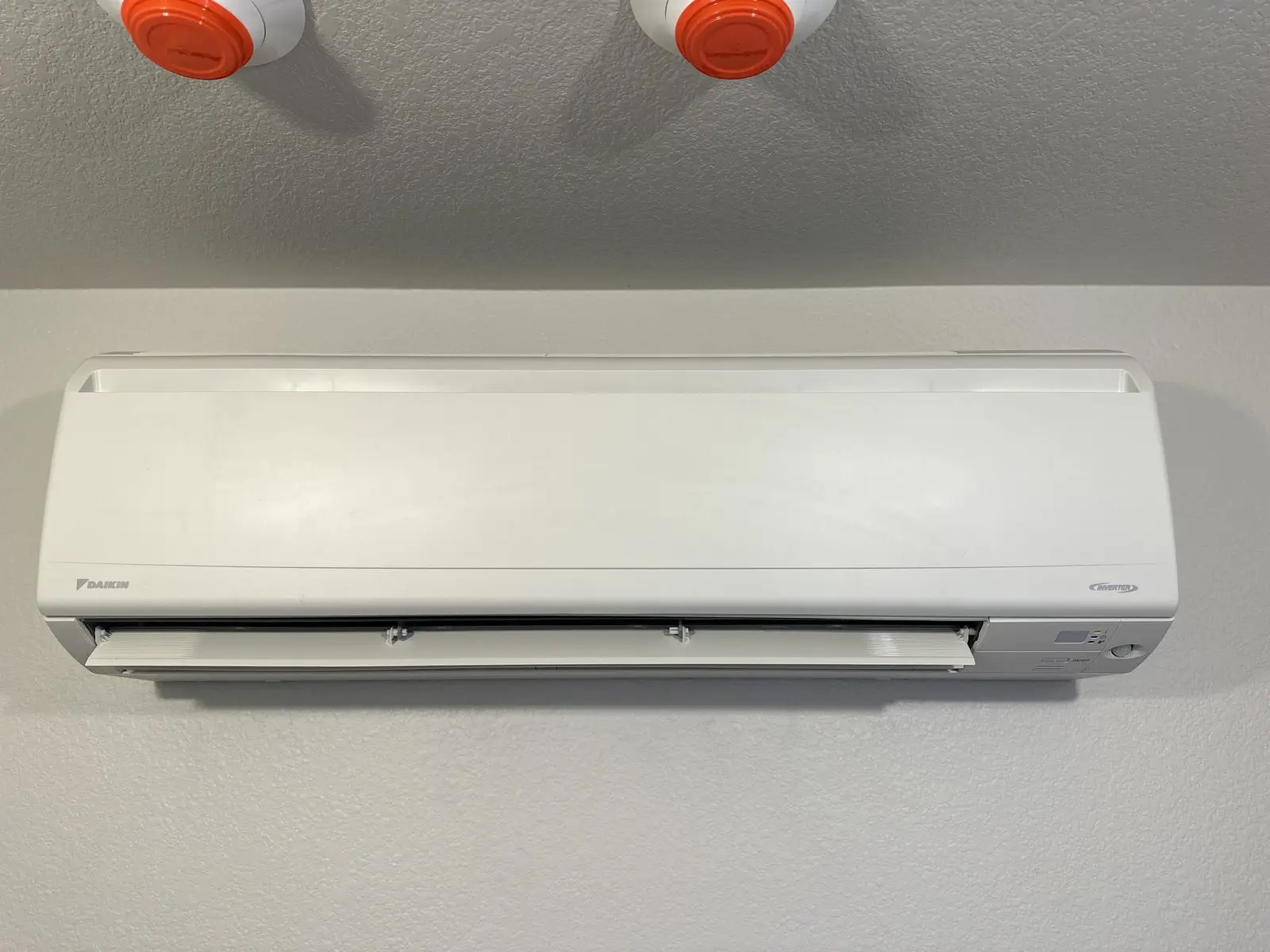
If you have been researching heating and cooling options for your Montana home, you have almost certainly come across ductless mini-split systems. These compact, versatile units have exploded in popularity over the past decade, and for good reason. They offer targeted comfort, impressive energy efficiency, and installation flexibility that traditional ducted systems simply cannot match.
But Montana is not like other states. Our winters are long, our temperatures regularly plunge well below zero, and our homes range from modern builds to century-old log cabins. That means a heating solution that works perfectly in Portland or Charlotte may not be the right fit here without careful planning and proper equipment selection.
This guide covers everything you need to know about ductless mini-splits as a Montana homeowner, from how they work and where they excel to the honest limitations you should be aware of before investing. Whether you are heating a garage workshop, adding comfort to a room addition, or looking for a whole-home solution, the team at Blue Collar Heating and Air is here to help you make the right decision.
What Is a Ductless Mini-Split System?
A ductless mini-split is a heating and cooling system that consists of two main components: an outdoor compressor/condenser unit and one or more indoor air handling units mounted on the wall, ceiling, or floor. The two are connected by a small conduit that carries refrigerant lines, a power cable, and a condensate drain. That conduit only requires a three-inch hole through the wall, which makes installation far less invasive than running traditional ductwork throughout an entire structure.
Unlike a central forced-air system that heats or cools your entire home through a network of ducts and vents, a mini-split delivers conditioned air directly into the room where the indoor unit is installed. This is called zone-based climate control. Each indoor unit operates independently, so you can set the bedroom to 65 degrees at night while keeping the living room at 72 during the day. You only heat or cool the spaces you are actually using.
Most modern mini-splits are heat pumps, meaning they provide both heating and cooling from a single system. In cooling mode, they work exactly like an air conditioner, absorbing heat from inside your home and releasing it outdoors. In heating mode, the process reverses: the system extracts heat energy from the outdoor air and transfers it inside. Yes, even in cold air, there is heat energy available to extract, and modern cold-climate mini-splits are engineered to do this effectively at temperatures far below zero.
How Mini-Splits Work in Montana's Cold Climate
The biggest question Montana homeowners ask about mini-splits is whether they can actually handle our winters. The short answer is yes, but only if you choose the right equipment. Standard mini-splits designed for moderate climates will struggle and lose efficiency once temperatures drop below 15 or 20 degrees Fahrenheit. That is obviously not going to cut it when Clinton sees minus 20 in January.
Cold-climate mini-splits, sometimes called hyper-heat or extreme-cold models, are specifically engineered for regions like ours. Brands like Daikin, Mitsubishi, and Fujitsu offer units rated to produce full heating capacity down to minus 13 degrees Fahrenheit and continue operating at reduced capacity down to minus 22 or even minus 30 degrees. They achieve this through advanced inverter-driven compressor technology that adjusts speed continuously rather than simply cycling on and off.
Inverter technology is the key difference between a mini-split and a traditional HVAC system. A conventional furnace or air conditioner operates at full blast until the thermostat is satisfied, then shuts off completely. A mini-split compressor ramps up and down smoothly to match the exact heating or cooling load at any given moment. This eliminates the temperature swings you feel with traditional systems and dramatically reduces energy consumption.
That said, during the most extreme cold snaps when temperatures stay well below minus 15 for extended periods, a mini-split's heating capacity does decrease. For this reason, many Montana homeowners use mini-splits as a supplemental system alongside an existing furnace or wood stove, rather than as a complete replacement. We help every customer evaluate the right approach for their specific situation. Schedule a consultation to discuss what makes sense for your home.
Where Mini-Splits Work Best in Montana
Ductless mini-splits are not always the best choice for every situation, but there are several scenarios where they are hands-down the smartest option. Here are the most common applications we install across Western Montana.
Room additions and bonus rooms. When you add a room to your home, extending your existing ductwork to reach it can be expensive and may overload your current furnace. A single-zone mini-split gives the new space its own independent heating and cooling without touching your existing system. We install these regularly for sunrooms, master suite additions, and converted attic spaces.
Garages and shops. Montana garage workshops need heat, but running ductwork from your home furnace to a detached or even attached garage is usually impractical and code-restricted. A mini-split provides clean, efficient heat without combustion fumes, making it safer than a propane torpedo heater and more comfortable than a wood stove. You can see examples of garage and shop installations in our project portfolio.
Log cabins and older homes. Many Montana homes, especially log cabins and historic structures, were never built with ductwork. Retrofitting ducts into these buildings is either prohibitively expensive or structurally impossible. Mini-splits provide modern comfort without compromising the character of the home.
Barns and agricultural buildings. Whether you need to keep a tack room comfortable, maintain temperature in a workshop area of your barn, or climate-control a small agricultural processing space, a mini-split handles the job efficiently without requiring a major HVAC buildout.
Homes with hot and cold spots. If your existing central system leaves certain rooms too hot in summer or too cold in winter, adding a mini-split to that specific problem area can solve the issue without replacing your entire HVAC system. It is a targeted fix that costs a fraction of a full system replacement.
Energy Efficiency and Operating Costs
Mini-splits are among the most energy-efficient heating and cooling systems available today. Their efficiency is measured in two ways: SEER2 for cooling (Seasonal Energy Efficiency Ratio) and HSPF2 for heating (Heating Seasonal Performance Factor). The higher the number, the more efficient the unit.
A typical central air conditioner has a SEER2 rating between 14 and 16. Most quality mini-splits start at 18 SEER2 and can reach 30 or higher. On the heating side, a standard heat pump might have an HSPF2 of 8 to 9, while top-tier cold-climate mini-splits achieve 12 or above. That translates to significantly lower electricity bills compared to electric baseboard heat, portable space heaters, or even traditional heat pumps.
The efficiency gains come from three sources. First, inverter compressor technology eliminates the energy waste of constant on-off cycling. Second, delivering conditioned air directly into the room eliminates duct losses, which typically account for 25 to 30 percent of energy waste in ducted systems. Third, zone control means you are not paying to heat or cool rooms you are not using.
For Montana homeowners currently heating with electric baseboard, propane wall heaters, or older oil-fired systems, switching to a cold-climate mini-split can reduce heating costs by 30 to 50 percent depending on the application. Even when used alongside a gas furnace, a mini-split can handle the shoulder seasons (fall and spring) far more efficiently, saving you money during the months when a full furnace would be overkill.
Pros and Cons for Montana Homeowners
Advantages:
- No ductwork required, making installation faster, less invasive, and less expensive in many situations
- Independent zone control lets you customize temperatures room by room
- Both heating and cooling from a single system eliminates the need for separate AC and heating equipment
- Extremely quiet operation, typically 19 to 32 decibels indoors, quieter than a whispered conversation
- High energy efficiency reduces monthly operating costs compared to most alternatives
- No combustion means no carbon monoxide risk from the unit itself
- Available rebates and tax credits can offset purchase costs significantly
Limitations to consider:
- Higher upfront cost than a window AC or portable space heater, though long-term savings often offset this
- Heating capacity decreases as outdoor temperatures drop below minus 15 to minus 20 degrees
- The indoor wall unit is visible in the room, which some homeowners find aesthetically less appealing than hidden duct vents
- Requires professional installation by a trained HVAC technician for proper refrigerant charging and electrical connections
- Annual maintenance including filter cleaning and professional checkups is important for longevity
- Multi-zone systems with several indoor units can become costly and complex compared to a single central system in a new-build home
Cost Considerations and What to Expect
The cost of a ductless mini-split system depends on several factors: the number of zones you need, the brand and model you select, the complexity of the installation, and whether any electrical upgrades are required. A single-zone system for one room typically runs between $3,000 and $6,000 fully installed. Multi-zone systems that serve two to four rooms range from $6,000 to $15,000 or more depending on the scope.
Cold-climate models rated for Montana winters cost more than standard units, but cutting corners on equipment quality in our climate is a mistake that will cost you far more in the long run. We only install units that are rated for the temperatures they will actually face in your specific location, because a system that cannot perform when you need it most is not worth the savings.
Federal tax credits and utility rebates can reduce your out-of-pocket cost significantly. Heat pump systems that meet Energy Star efficiency requirements may qualify for federal tax credits of up to $2,000 under current IRS guidelines. NorthWestern Energy and other Montana utilities also offer rebate programs for high-efficiency heat pump installations. We stay current on all available incentives and will help you identify every dollar of savings you are eligible for.
We understand that a new HVAC system is a significant investment for any family. That is why we offer flexible financing options that make it possible to upgrade your comfort without putting a strain on your budget. We also believe in transparent pricing with no hidden fees, so you will know exactly what the project costs before any work begins.
Why Brand Independence Matters
Many HVAC companies are exclusive dealers for a single brand. That means they will recommend that brand regardless of whether it is the best fit for your situation, because it is the only option they carry. We do things differently.
Blue Collar Heating and Air is not an exclusive brand dealer. We work with Daikin, York, and other top manufacturers, which means we recommend the equipment that genuinely matches your home, your climate zone, and your budget. When we suggest a specific mini-split model, it is because we believe it is the right tool for the job, not because we are locked into a sales quota.
That independence is part of our commitment to honest, blue-collar service. We are a veteran-owned business rooted in this community, and our reputation depends on doing right by our neighbors, not maximizing margins on a single product line.
What the Installation Process Looks Like
One of the biggest advantages of a mini-split installation is how straightforward it is compared to a full ducted system. A typical single-zone installation can be completed in one day by our trained technicians. Multi-zone systems usually take one to two days depending on the number of indoor units and the layout of your home.
The process starts with a site evaluation where we assess your space, measure heating and cooling loads, evaluate electrical capacity, and determine the optimal placement for both indoor and outdoor units. Placement matters significantly. The indoor unit needs to be positioned for optimal airflow distribution, and the outdoor unit needs adequate clearance, protection from heavy snow loads, and proper drainage.
During installation, we mount the indoor unit on the wall or ceiling, drill a small hole for the refrigerant lines and wiring, mount the outdoor unit on a pad or wall bracket, connect the refrigerant lines, charge the system, and run electrical connections. We then test the entire system across heating and cooling modes, verify refrigerant charge levels, and walk you through the remote control operation and filter maintenance.
Every installation we perform meets or exceeds local building codes and manufacturer specifications. We pull any required permits, and we stand behind our work. You can browse completed projects in our portfolio to see the quality and professionalism we bring to every job.
Maintaining Your Mini-Split for Montana Longevity
A well-maintained mini-split can last 15 to 20 years or more. Neglected systems often fail prematurely, lose efficiency, and cost far more to operate than they should. The good news is that mini-split maintenance is simpler than maintaining a traditional furnace and duct system.
Homeowners should clean or rinse the indoor unit filters every two to four weeks during heavy-use seasons. These filters slide out easily and can be washed with warm water and mild soap. Keeping them clean ensures proper airflow and prevents the system from working harder than it needs to. You should also keep the outdoor unit clear of snow buildup, leaves, and debris. In Montana, this means checking the unit after heavy snowfalls and ensuring at least 18 inches of clearance around all sides.
Professional maintenance should be performed at least once per year. Our technicians check refrigerant levels, clean the indoor coil and blower wheel, inspect electrical connections, test defrost cycle operation, and verify that the system is performing at its rated efficiency. Annual service catches small issues before they become expensive breakdowns and keeps your manufacturer warranty intact. Contact us to schedule your mini-split maintenance.
Frequently Asked Questions
Can a mini-split really heat my home when it is minus 20 outside?
Cold-climate mini-splits from brands like Daikin and Mitsubishi are rated to operate at full capacity down to minus 13 degrees Fahrenheit and continue producing heat at reduced capacity down to minus 22 or lower. For the most extreme cold snaps, we typically recommend pairing a mini-split with a backup heat source such as a furnace or wood stove. We will help you design a system that keeps you comfortable through the worst Montana winters.
How much does a ductless mini-split cost to install?
A single-zone system typically costs between $3,000 and $6,000 fully installed, while multi-zone systems range from $6,000 to $15,000 or more. The exact price depends on the brand, model, number of zones, and installation complexity. We provide detailed, transparent quotes with no hidden fees. We also offer financing options to help make your investment manageable.
Will a mini-split increase my home's resale value?
Yes, in most cases. Buyers increasingly look for energy-efficient upgrades, and a ductless mini-split adds both heating and cooling capability to spaces that may not have had it before. A climate-controlled garage, a comfortable bonus room, or whole-home zone control are all attractive features that set your home apart in the Montana real estate market.
How noisy are mini-split systems?
Modern mini-splits are remarkably quiet. Indoor units typically operate at 19 to 32 decibels, which is quieter than a library. Outdoor units run between 45 and 60 decibels depending on the model and operating speed. You will hear your refrigerator more than you will hear your mini-split. The inverter technology that allows the compressor to run at variable speeds is a major reason these systems are so much quieter than traditional equipment.
Do mini-splits qualify for tax credits or rebates?
Many cold-climate mini-splits qualify for federal tax credits of up to $2,000 under current Energy Star heat pump incentive programs. Montana utilities like NorthWestern Energy may also offer rebates for high-efficiency installations. Eligibility depends on the specific model and its efficiency ratings. Our team stays up to date on available incentives and will help you take advantage of every program you qualify for.
Can I install a mini-split myself to save money?
We strongly advise against DIY installation. Mini-splits involve refrigerant handling that requires EPA certification, electrical work that must meet local codes, and precise system charging that directly affects efficiency and lifespan. An improperly installed system will underperform, may void the manufacturer warranty, and can create safety hazards. Professional installation ensures your system operates at peak performance from day one.
How long do mini-split systems last?
With proper maintenance, a quality mini-split system should last 15 to 20 years. Annual professional service and regular filter cleaning are the two most important factors in maximizing lifespan. Montana's harsh winters make maintenance especially important, as snow buildup, ice, and extreme temperature cycling put additional stress on outdoor components.
Ready to Explore Mini-Splits for Your Home?
Our veteran-owned team will evaluate your space, recommend the right equipment for Montana's climate, and provide a transparent quote with no pressure and no hidden fees.