
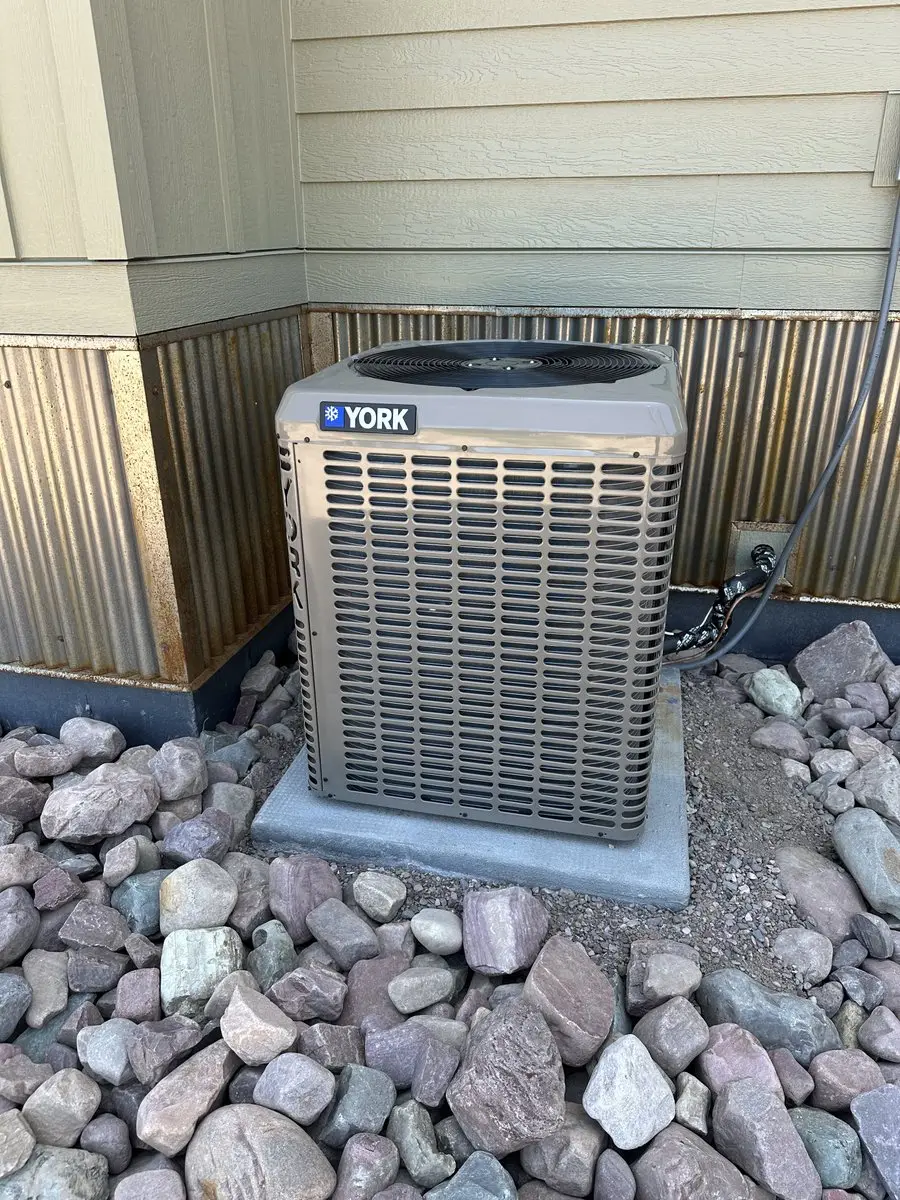
No homeowner wants to hear that their heating and cooling system needs to be replaced. It is one of the biggest investments you will make in your home, and the timing never seems convenient. But here is the reality: holding on to an aging, failing HVAC system almost always costs you more in the long run than replacing it with a modern, efficient unit.
The question is not whether your system will eventually need to be replaced. Every HVAC system has a finite lifespan. The real question is how to recognize when that time has arrived so you can make a planned, informed decision instead of scrambling during the coldest week of a Montana winter or the peak of summer heat.
At Blue Collar Heating and Air, we believe in giving homeowners honest, straightforward advice. We will never push a replacement when a repair makes more sense, and we will never patch a system together when replacement is clearly the smarter financial move. This guide covers every major factor you should consider when making that decision.
The Age of Your System Matters More Than You Think
The average lifespan of a central air conditioning unit is 15 to 20 years. Furnaces typically last between 15 and 25 years, depending on the type and how well they have been maintained. Heat pumps generally fall in the 10 to 15 year range. If your system is approaching or has passed these milestones, it is entering the zone where major failures become increasingly likely.
Age alone does not mean your system needs to go tomorrow. A well-maintained 18-year-old furnace might still be running strong, while a neglected 12-year-old unit could already be on its last legs. But age combined with any of the other warning signs discussed in this article should make you start planning for a replacement rather than pouring more money into repairs.
Montana's climate puts extraordinary stress on HVAC equipment. Our winters push furnaces and heat pumps to their absolute limits, running for extended periods at maximum output. That kind of demand accelerates wear on compressors, heat exchangers, blower motors, and electrical components. If your system was not properly sized or installed from the beginning, that lifespan can be even shorter. Look for early warning signs of furnace trouble so you can stay ahead of a complete failure.
Rising Energy Bills That Keep Climbing
One of the most reliable indicators that your HVAC system is losing efficiency is a steady increase in your monthly energy bills that cannot be explained by rate changes or usage habits. As components wear out, your system has to work harder and run longer to maintain the same temperature settings. That extra runtime translates directly into higher utility costs.
Compare your energy bills from the past two or three years. If you are seeing a consistent upward trend even though your habits have not changed, your system is likely losing efficiency. A furnace that was rated at 80 percent efficiency when it was new might only be operating at 60 or 65 percent after 15 years of service. That means up to 40 cents of every dollar you spend on heating is being wasted.
Modern high-efficiency systems can achieve 95 to 98 percent efficiency ratings for furnaces and SEER2 ratings of 16 or higher for air conditioners. Upgrading from an old, inefficient system to a new one can reduce your heating and cooling costs by 30 to 50 percent, which means the new system starts paying for itself immediately. If you are concerned about the upfront cost, we offer financing options that can make the monthly payment lower than what you are currently losing in wasted energy.
Frequent Repairs and the 50% Rule
Every HVAC system needs occasional repairs. A failed capacitor, a worn belt, or a dirty flame sensor are normal maintenance items that do not necessarily mean your system is dying. The problem is when repairs start happening frequently and the costs start stacking up.
If you have called for service three or more times in a single year, or if you are dealing with a different major component failure every season, your system is telling you something. Each individual repair might seem reasonable on its own, but when you add up what you have spent over the past two or three years, the total can be staggering.
The industry standard guideline is the 50% rule: if a single repair costs more than 50 percent of the price of a new system, you should replace rather than repair. Some professionals use an even stricter version that factors in the age of the system. Multiply the age of your unit by the cost of the repair. If that number exceeds the cost of a new system, replacement is the better investment.
We always provide transparent, upfront pricing before starting any work. If we diagnose a problem and believe replacement makes more financial sense than repair, we will tell you honestly and walk you through the numbers so you can make an informed decision. That is the kind of honest pricing and straightforward service we are built on.
The R-22 Freon Phase-Out
If your air conditioner or heat pump was manufactured before 2010, there is a good chance it uses R-22 refrigerant, commonly known as Freon. The U.S. Environmental Protection Agency banned the production and import of R-22 as part of an international agreement to protect the ozone layer. The ban took full effect in January 2020.
What does this mean for you? If your system develops a refrigerant leak, the cost to recharge it with R-22 has become extremely expensive because supplies are limited to whatever was stockpiled before the ban. We have seen recharge costs that exceed $150 to $200 per pound, and a typical residential system holds several pounds of refrigerant. That means a single recharge could easily cost $1,000 or more, and if you have a leak, you will need to recharge again the next time it runs low.
Modern systems use R-410A or newer refrigerants that are more environmentally friendly and readily available. If your system still runs on R-22, replacing it is not just a comfort decision but a practical financial one. The cost of keeping an R-22 system running will only continue to climb as remaining supplies dwindle further.
Uneven Heating and Cooling Throughout Your Home
Do you have rooms that never seem to reach a comfortable temperature no matter how high or low you set the thermostat? Are some areas of your home significantly warmer or cooler than others? While uneven temperatures can sometimes be caused by ductwork issues or poor insulation, a failing HVAC system is often the primary culprit.
As your system ages, it loses the ability to maintain consistent airflow and temperature output. A compressor that is losing capacity will not cool your home evenly. A furnace with a weakening blower motor will not push heated air to the farthest rooms in your home. These problems tend to worsen gradually, so you might not notice how bad things have gotten until you realize you are constantly adjusting the thermostat or piling on blankets in certain rooms.
If your home has always struggled with hot and cold spots, a replacement gives you the opportunity to correct the problem with a properly sized system and potentially upgraded ductwork. For homes where traditional ductwork is the limitation, a ductless mini-split system can provide targeted heating and cooling to problem areas without the expense of reworking your entire duct system.
Excessive Dust, Humidity, and Air Quality Problems
Your HVAC system does more than just heat and cool your home. It also plays a critical role in controlling humidity levels, filtering airborne particles, and maintaining overall indoor air quality. When your system is failing, these secondary functions are often the first to suffer.
If you notice that your home feels unusually humid during the summer even though your air conditioner is running, the system may no longer be removing moisture effectively. Excessive dust accumulation on furniture and surfaces despite regular cleaning can indicate that your system's filtration is no longer adequate or that leaking ductwork is pulling in unfiltered air from your attic or crawl space.
Modern HVAC systems offer dramatically better air quality features, including advanced filtration, variable-speed blowers that maintain more consistent air circulation, and integrated humidity control. If allergies, asthma, or general air quality are concerns in your household, a new system can make a noticeable difference in how your home feels and how your family breathes.
Safety Concerns You Cannot Afford to Ignore
Some HVAC problems go beyond comfort and efficiency. They become genuine safety hazards. The most serious is the risk of carbon monoxide poisoning from a cracked heat exchanger. Carbon monoxide is colorless and odorless, which means you cannot detect it without a functioning CO detector. Symptoms of exposure include headaches, dizziness, nausea, and confusion. In severe cases, carbon monoxide poisoning can be fatal.
A cracked heat exchanger is one of the most common safety issues in aging furnaces, particularly those over 15 years old. The heat exchanger separates the combustion gases from the air that circulates through your home. When it cracks, those dangerous gases, including carbon monoxide, can leak into your living spaces. Repairing a cracked heat exchanger is technically possible, but the cost is typically so high that replacement of the entire furnace is almost always the better option.
Other safety concerns include electrical issues such as frayed wiring, failing contactors, or overheating components that can create fire risks. If a technician identifies any safety-related issue during a service call, take it seriously. Your family's safety is worth more than the cost of any repair or replacement. If you suspect a safety issue, schedule a consultation with our team immediately.
New Technology That Changes the Equation
HVAC technology has advanced dramatically over the past decade. If your current system is 15 or 20 years old, the difference between what you have now and what is available today is enormous. These are not minor incremental improvements. They are transformative changes in how heating and cooling systems operate.
Variable-speed compressors and blower motors are one of the most significant advances. Traditional systems operate in a simple on-off cycle: they run at full blast until the thermostat is satisfied, then shut off completely until the temperature drifts again. Variable-speed systems can ramp up and down to match the exact demand, which eliminates the temperature swings, reduces energy consumption, and operates much more quietly.
Higher SEER ratings mean greater cooling efficiency. The minimum SEER2 rating for new systems has increased, and premium models now achieve ratings of 20 or higher. Compared to an older system rated at SEER 10, a new SEER 20 unit uses half the electricity to produce the same amount of cooling.
Smart thermostat integration and Wi-Fi controls allow you to monitor and adjust your system from your phone, set customized schedules, and receive maintenance alerts before problems become emergencies. Some systems even include diagnostic capabilities that can notify your HVAC technician of a developing issue before you experience any loss of comfort. These are not luxury features anymore. They are practical tools that save money and extend the life of your investment.
What to Expect from the Replacement Process
If you have never been through an HVAC replacement, the process can seem intimidating. Understanding what to expect helps eliminate the uncertainty and ensures you are prepared for each step.
The process begins with a thorough in-home evaluation. A qualified technician will assess your current system, inspect your ductwork, measure your home's square footage, evaluate insulation levels, and discuss your comfort goals and budget. This evaluation is critical for determining the right system size and type for your specific home.
Once you have selected a system, the installation itself typically takes one to two days for a straightforward replacement. More complex jobs involving ductwork modifications, electrical upgrades, or system type changes may take longer. A professional installation team will remove your old equipment, install the new system, connect all electrical and gas lines, test every component, and verify that the system is operating at peak performance before they leave.
After installation, your technician should walk you through the operation of your new system, explain your thermostat settings, review your warranty coverage, and schedule your first maintenance visit. You can see examples of our installations to get a sense of the quality and professionalism you can expect from our team.
Choosing the Right System Size
One of the most critical and most commonly mishandled aspects of HVAC replacement is sizing. An improperly sized system will cause problems from day one, regardless of how expensive or technologically advanced it is. Both oversizing and undersizing create serious issues.
An oversized system will cycle on and off too frequently, a problem called short cycling. Each startup draws a surge of energy, puts stress on the compressor, and does not run long enough to properly dehumidify your home. Short cycling leads to higher energy bills, uneven temperatures, excess humidity, and premature equipment failure.
An undersized system will run constantly trying to reach the set temperature but never quite getting there. It will struggle during extreme weather, wear out components faster from continuous operation, and leave you uncomfortable in the rooms farthest from the unit.
Proper sizing requires a detailed load calculation that accounts for your home's square footage, insulation levels, window types and orientation, ceiling height, number of occupants, and local climate data. A contractor who sizes your system based solely on square footage or by simply matching what you had before is cutting corners. We take the time to do a proper load calculation for every installation because getting this right is the foundation of a system that will keep you comfortable for the next 15 to 20 years.
Why Brand Independence Matters
Many HVAC contractors are exclusive dealers for a single manufacturer. That means no matter what your home needs, they are going to recommend that one brand because that is what they are contractually obligated to sell. Their recommendation is driven by their dealer agreement, not by what is best for your home.
At Blue Collar Heating and Air, we are not locked into any single manufacturer. We have the freedom to recommend whatever brand and model best fits your home, your budget, and your comfort goals. If one manufacturer makes the best furnace for your situation but a different brand makes the best air conditioner, we can pair them together for the optimal setup. That kind of flexibility is only possible when your contractor works for you, not for a brand.
This independence also means we can be completely transparent about pricing. We do not inflate costs to meet dealer quotas or push premium models you do not need. Learn more about our approach on our homepage, or explore our financing options to see how affordable a new system can be.
Making the Financial Decision
We understand that replacing your HVAC system is a significant financial commitment. That is exactly why we encourage homeowners to think about the total cost of ownership rather than just the sticker price. A new high-efficiency system may cost more upfront, but the combination of lower energy bills, fewer repairs, and reliable performance often makes it the more affordable choice over a five to ten year horizon.
Consider what you are currently spending on repairs, emergency service calls, and inflated energy bills. Add those costs up over the next three to five years and compare that total to the cost of a new system. In many cases, the numbers speak for themselves.
We also offer flexible financing options that make replacement accessible even when cash flow is tight. Our HVAC financing guide walks you through everything you need to know about payment plans, credit requirements, and how to choose the right financing option for your situation. Additionally, we offer veteran and community discounts because giving back to the people we serve is part of who we are.
Frequently Asked Questions
How do I know if my HVAC system is too old to repair?
If your system is over 15 years old and requires a repair that costs more than 50 percent of what a new system would cost, replacement is generally the better financial decision. Also consider how many repairs you have needed in the past two to three years. If breakdowns are becoming a pattern, the total repair costs are likely approaching or exceeding what a new system would cost. Our technicians will always give you an honest assessment and help you compare the numbers so you can decide with confidence.
How long does an HVAC replacement take?
A standard replacement where the new system is the same type as the old one typically takes one to two days. If the project involves additional work such as ductwork modifications, electrical panel upgrades, or switching from one system type to another (for example, from a furnace and AC to a heat pump), it may take two to three days. We always communicate the expected timeline upfront so you can plan accordingly.
What SEER rating should I look for in a new air conditioner?
The current federal minimum for new air conditioners is SEER2 14.3 in northern climate zones. For Montana homeowners, we typically recommend systems rated SEER2 16 or higher for the best balance of efficiency and cost. Higher-rated systems (SEER2 18 to 22) cost more upfront but deliver greater energy savings over the life of the unit. We will help you find the sweet spot that makes sense for your budget and energy goals.
Can I replace just the furnace or just the air conditioner, or do I need to replace both?
You can replace one component without the other, and in some cases that is the right call. However, if both units are similar in age, replacing them together is usually more cost-effective because the installation labor overlaps and the systems are matched for optimal performance. Mismatched components can reduce efficiency and may void manufacturer warranties. We will evaluate your specific situation and recommend the approach that gives you the best value.
Do you offer financing for HVAC replacement?
Yes. We offer flexible financing options to help make a new system affordable. Many homeowners find that their monthly financing payment is comparable to or even less than what they were spending on repairs and excess energy costs with their old system. Visit our financing guide for a detailed breakdown of available plans.
Is a heat pump a good option for Montana winters?
Modern cold-climate heat pumps have come a long way and can operate efficiently in temperatures well below zero. They can be an excellent primary heating and cooling solution or a supplement to a furnace in a dual-fuel configuration. Whether a heat pump is right for your home depends on your insulation levels, home size, and energy costs. Check out our mini-split and heat pump guide for more details, or schedule a consultation so we can evaluate your specific situation.
Will a new HVAC system increase my home's value?
A new, high-efficiency HVAC system is one of the most impactful upgrades you can make for resale value. Real estate professionals consistently rank HVAC upgrades among the top improvements that buyers look for. Beyond resale, a new system provides immediate value through lower utility bills, improved comfort, and the peace of mind that comes with a manufacturer warranty and reliable equipment.
Ready to Explore Your Replacement Options?
Our veteran-owned team will give you an honest evaluation, transparent pricing, and the freedom to choose the best system for your home, not just the brand we are paid to sell.