
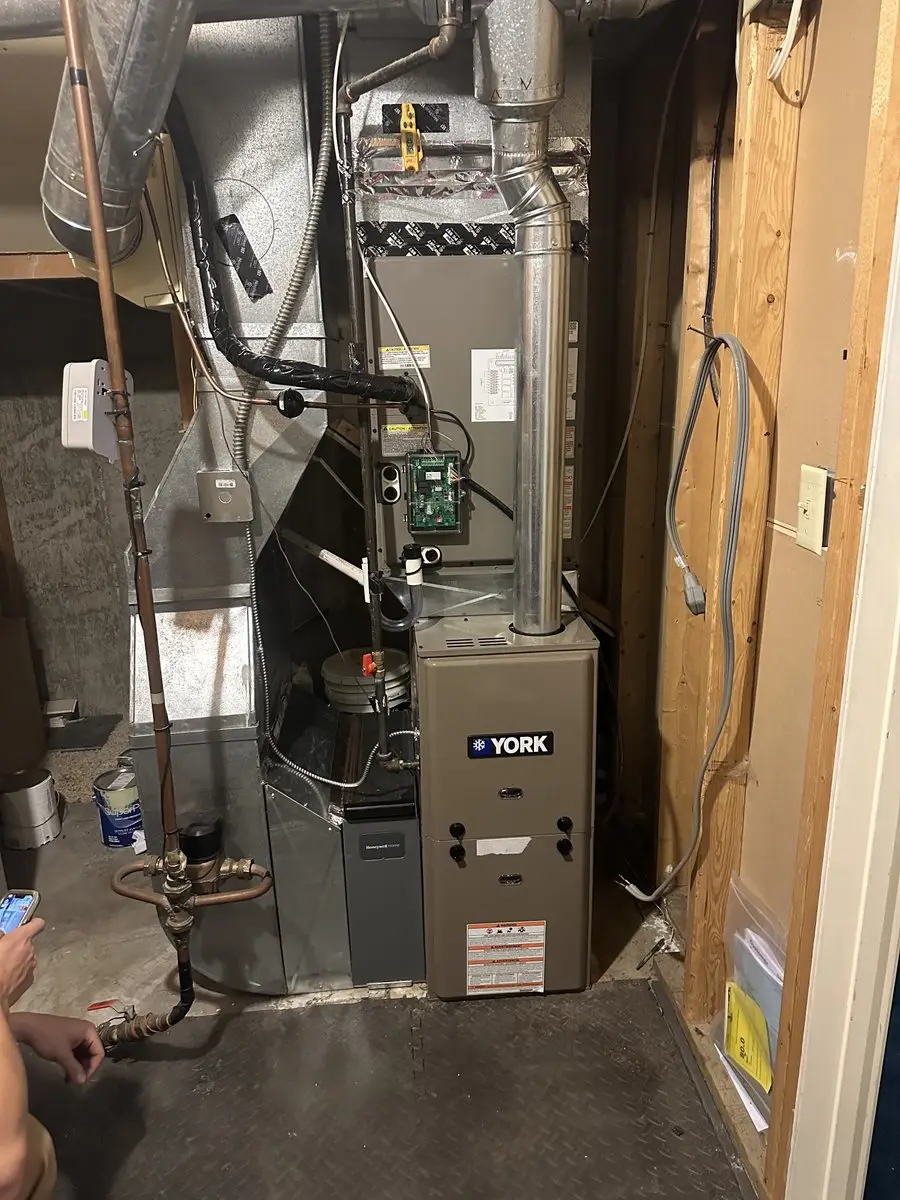
Montana homeowners know the reality of extreme weather better than most. Summers can push into the 90s, and winters regularly drop well below zero. That range puts enormous demand on your heating and cooling system, and it means energy efficiency is not just a nice-to-have. It is the difference between manageable utility bills and ones that make you wince every month.
The good news is that modern HVAC technology has made massive strides in efficiency. From advanced heat pumps that pull warmth from sub-zero air to smart thermostats that learn your schedule and adjust automatically, today's homeowner has more tools than ever to stay comfortable without wasting energy. The challenge is knowing which upgrades actually make a difference and which are just marketing hype.
This guide breaks down everything you need to know about maximizing the energy efficiency of your heating and cooling system. Whether you are considering a full system upgrade, looking for low-cost improvements, or simply trying to understand your options, the team at Blue Collar Heating and Air is here to help you make smart, informed decisions for your home and your budget.
Understanding SEER and AFUE Ratings
Before you can evaluate whether a system is truly energy efficient, you need to understand the two key ratings that measure it. SEER stands for Seasonal Energy Efficiency Ratio and applies to air conditioners and heat pumps in cooling mode. It measures how much cooling output a system produces per unit of electrical energy consumed over an entire cooling season. The higher the SEER number, the more efficient the system. Current federal minimum standards require a SEER2 rating of at least 14 for northern regions, but high-efficiency units reach 20 to 26 or higher.
AFUE stands for Annual Fuel Utilization Efficiency and applies to furnaces and boilers. It measures the percentage of fuel that is actually converted into usable heat. A furnace with an AFUE of 80 percent converts 80 cents of every dollar you spend on fuel into heat, while the remaining 20 cents goes up the flue as exhaust. Modern high-efficiency furnaces achieve AFUE ratings of 95 to 98 percent, meaning almost no fuel is wasted.
When shopping for new equipment, these ratings are the most reliable way to compare energy performance across brands and models. A system with a higher SEER or AFUE will cost more upfront but will consume less energy every single day it operates. Over the 15- to 20-year lifespan of a typical HVAC system, that efficiency gap adds up to thousands of dollars in savings. If you want to see examples of high-efficiency equipment we have installed for local homeowners, take a look at our portfolio of recent projects.
Smart Thermostats: Small Upgrade, Big Impact
If you are still using a basic thermostat with manual temperature adjustments, upgrading to a smart thermostat is one of the fastest and most affordable ways to reduce your energy consumption. The Department of Energy estimates that properly using a programmable thermostat can save homeowners 10 to 15 percent on heating and cooling costs annually.
Smart thermostats go beyond simple scheduling. Models like the Ecobee and Google Nest learn your daily patterns, detect when no one is home, and automatically adjust temperatures to avoid heating or cooling an empty house. Many include remote sensors that monitor temperature in multiple rooms, so the system responds to where you actually spend your time rather than just the hallway where the thermostat is mounted.
For Montana homes, the key benefit of a smart thermostat is the ability to create customized heating schedules that account for our dramatic temperature swings. You can program the system to ramp up heating before you wake on a minus-10-degree morning, drop temperatures while you are at work, and bring the house back to comfort before you walk through the door. All of that happens automatically without you having to touch a button.
Insulation and Air Sealing: The Foundation of Efficiency
No HVAC system in the world can operate efficiently if your home is leaking conditioned air. Air infiltration through gaps, cracks, and poorly insulated areas is the single biggest source of energy waste in most homes. The EPA estimates that sealing and insulating can reduce heating and cooling costs by up to 15 percent, and in older Montana homes with minimal insulation, the savings can be significantly higher.
Start with the obvious culprits: gaps around windows and doors, unsealed penetrations where pipes and wires enter the home, leaky recessed lighting, and attic hatches that lack weatherstripping. Spray foam or caulk can address most of these issues for minimal cost. Beyond sealing, make sure your attic insulation meets current recommendations. For Montana's climate zone, the Department of Energy recommends R-49 to R-60 attic insulation. Many older homes have R-19 or less, meaning they are hemorrhaging heat through the roof all winter long.
Before investing in a new furnace or heat pump, consider having an energy assessment performed on your home. It makes no sense to install high-efficiency equipment in a structure that cannot hold onto the heat. Our team can evaluate your home's insulation and sealing as part of a comprehensive assessment. Schedule your energy assessment to find out where your home is losing the most energy.
Quick Efficiency Wins for Montana Homeowners
- Replace furnace filters every 30 to 90 days — a clogged filter forces your system to work harder and use more energy
- Seal ductwork joints with mastic — leaky ducts can waste 20 to 30 percent of conditioned air before it reaches your rooms
- Add weatherstripping to exterior doors — a quarter-inch gap under a standard door is equivalent to a four-square-inch hole in your wall
- Install a smart thermostat — automated scheduling eliminates the waste of heating an empty house
- Close the fireplace damper when not in use — an open damper pulls heated air straight out of your home
Zoning Systems: Heat Only What You Use
Traditional HVAC systems treat your entire home as a single zone. When the thermostat calls for heat, every room gets the same amount of conditioned air regardless of whether anyone is in it. That is inherently wasteful. A zoning system divides your home into independent comfort zones, each controlled by its own thermostat and regulated by motorized dampers in your ductwork.
Zoning is especially valuable in multi-story homes, where heat naturally rises and creates significant temperature differences between floors. It also works well in homes with rooms that have different heat loads due to large windows, cathedral ceilings, or sections built over unheated crawl spaces. Instead of overheating the upstairs to keep the main floor comfortable, each zone maintains its own target temperature independently.
For homeowners who want the ultimate in zone control, ductless mini-split systems are an excellent option. Each indoor unit operates as its own zone with independent temperature control, and there is no ductwork to leak energy. Mini-splits are a particularly strong choice for additions, garages, and rooms that are consistently too hot or too cold with your existing system.
Heat Pumps vs Traditional Furnaces: Which Is More Efficient?
This is one of the most common questions we get from Montana homeowners, and the answer has changed significantly in recent years. Traditional gas furnaces burn fuel to create heat, and even the best models lose some energy in the combustion process. A 96 AFUE furnace is excellent, but it still wastes 4 percent of the fuel you pay for.
Heat pumps operate on a fundamentally different principle. Instead of generating heat, they move it. Even when the outdoor temperature is below zero, there is still heat energy in the air, and a heat pump extracts that energy and transfers it inside. Because moving heat requires far less energy than creating it, heat pumps can deliver two to four times more heating energy than the electrical energy they consume. This is expressed as the Coefficient of Performance, or COP. A heat pump with a COP of 3.0 delivers three units of heat for every one unit of electricity consumed, which is effectively 300 percent efficiency.
Modern cold-climate heat pumps from manufacturers like Daikin, Mitsubishi, and Bosch are specifically engineered for regions like Montana. They maintain strong heating performance down to minus 13 degrees Fahrenheit and continue operating at reduced capacity at even lower temperatures. For the absolute coldest nights, many homeowners pair a heat pump with a backup furnace in what is called a dual-fuel or hybrid system. The heat pump handles the majority of the heating season at maximum efficiency, and the furnace kicks in only during extreme cold snaps.
The bottom line is that heat pumps are significantly more efficient than furnaces for the vast majority of Montana's heating season. They also provide cooling in summer, eliminating the need for a separate air conditioning system. If you are interested in exploring heat pump options for your home, check out our full range of services to see what we offer.
Ductwork Maintenance: The Hidden Efficiency Killer
Your ductwork is the highway that delivers conditioned air from your furnace or heat pump to every room in your home. If that highway has leaks, gaps, or poor insulation, a significant portion of the energy you are paying for never reaches its destination. The Department of Energy estimates that the average home loses 20 to 30 percent of conditioned air through duct leaks, disconnected joints, and poorly sealed connections.
In Montana, much of the ductwork in residential homes runs through unconditioned spaces like attics, crawl spaces, and unfinished basements. These areas experience extreme temperatures, which means any air that escapes the ducts is lost into spaces where it provides no benefit. Ducts running through an attic in winter may be surrounded by sub-zero air, so even a small leak results in massive heat loss.
Professional duct sealing with mastic or metal-backed tape can recapture that lost energy and deliver it where it belongs. Insulating exposed ductwork in unconditioned spaces with R-8 duct insulation provides additional protection. These are relatively affordable improvements that can produce immediate, measurable reductions in your energy bills. Our team inspects ductwork as part of every system installation and maintenance visit to ensure your distribution system is not undermining the efficiency of your equipment.
Programmable Heating and Cooling Schedules
One of the simplest ways to reduce energy consumption is to stop heating and cooling your home at full capacity when no one is there to enjoy it. A well-designed heating schedule accounts for when you wake up, when you leave for work, when you return, and when you go to bed. During the hours you are away or sleeping, the system drops to a lower setpoint, saving energy without sacrificing comfort during the times that matter.
A common concern is that lowering the temperature while you are away means the system has to work harder to recover when you return, negating any savings. In reality, the energy saved during the setback period far exceeds the energy used during recovery. The key is keeping the setback reasonable. Dropping from 70 to 62 degrees during an eight-hour workday is effective. Dropping to 50 degrees in a Montana winter creates excessive recovery time and risks frozen pipes.
If your system includes a heat pump, be aware that heat pumps recover from setbacks more gradually than furnaces. A 5- to 8-degree setback is typically optimal for heat pump systems. Setting the recovery to begin 30 to 60 minutes before you arrive home ensures you walk into a comfortable space without running the system at full capacity all day while you are gone.
Window Treatments and Solar Heat Gain
Windows are one of the weakest points in your home's thermal envelope. Even high-quality double-pane windows conduct significantly more heat than an insulated wall. In winter, windows lose heat to the outdoors. In summer, south- and west-facing windows can pour solar heat into your home, forcing your cooling system to work overtime.
Strategic use of window treatments can reduce both problems. In winter, open blinds and curtains on south-facing windows during the day to capture free solar heat, then close heavy curtains at night to add an insulating layer. Cellular shades, also called honeycomb shades, trap air in their pockets and can reduce heat loss through windows by up to 40 percent. In summer, reflective blinds or exterior shading on west-facing windows can cut solar heat gain dramatically.
If your home has single-pane windows, replacing them with modern double- or triple-pane low-E windows is one of the most impactful efficiency upgrades you can make. Low-E coatings reflect radiant heat back into your home during winter and block it from entering during summer. The upfront cost is significant, but combined with the heating and cooling savings, the payback period is often shorter than homeowners expect.
Montana-Specific Efficiency Tips
Living in Montana presents unique HVAC challenges that homeowners in milder climates never face. The extreme temperature swings between summer highs and winter lows mean your system has to perform across a range of 120 degrees or more throughout the year. That demands equipment that is properly sized, well-maintained, and matched to your specific home.
One of the most important Montana-specific recommendations is proper system sizing. An oversized furnace or heat pump will short-cycle, turning on and off frequently without running long enough to operate efficiently. An undersized system will run constantly and never achieve the desired temperature during extreme cold. Both scenarios waste energy. A professional Manual J load calculation accounts for your home's square footage, insulation levels, window area, orientation, and altitude to determine the correct equipment size.
Montana's dry winter air also affects comfort and efficiency. Running a whole-home humidifier during the heating season keeps indoor humidity at a comfortable level and makes lower thermostat settings feel warmer. Humid air holds heat more effectively than dry air, so maintaining 35 to 45 percent relative humidity allows you to set your thermostat 2 to 3 degrees lower without sacrificing comfort.
Our team at Blue Collar Heating and Air is deeply familiar with the specific demands of heating and cooling homes in the Bitterroot and Missoula valleys. We are active in the Clinton community and we understand firsthand how Montana's climate affects HVAC performance because we live and work here every day.
Tax Credits and Rebates for High-Efficiency Systems
One of the strongest financial incentives for upgrading to high-efficiency HVAC equipment is the federal tax credit program. Under current guidelines, homeowners can claim a tax credit of up to $2,000 for qualifying heat pump installations and up to $600 for high-efficiency furnaces, boilers, and central air conditioners. These credits directly reduce your federal tax liability dollar for dollar, making them significantly more valuable than a standard deduction.
To qualify, equipment must meet specific efficiency thresholds. Heat pumps generally need to meet Energy Star Most Efficient criteria or CEE Tier requirements. Furnaces typically need an AFUE of 97 percent or higher. The exact requirements can change from year to year, so we always verify current eligibility when helping customers select equipment.
In addition to federal incentives, Montana utility companies like NorthWestern Energy periodically offer rebates for energy-efficient HVAC installations. These rebates can range from a few hundred to over a thousand dollars depending on the equipment type and efficiency level. Stacking a utility rebate with the federal tax credit can offset a significant portion of your upgrade cost.
We understand that even with incentives, a major HVAC upgrade is a significant investment. That is why we offer financing options designed to make high-efficiency equipment accessible without a large upfront payment. You can read more about structuring your investment in our detailed HVAC financing guide.
How Upgrading Saves Money Long Term
It is natural to focus on the upfront cost of a new HVAC system, but the real financial picture only comes into focus when you look at total cost of ownership over the equipment's lifespan. A high-efficiency system may cost $2,000 to $4,000 more than a standard-efficiency model at purchase, but the energy savings compound every month for 15 to 20 years.
Consider a concrete example. Replacing an 80 AFUE furnace with a 96 AFUE model reduces your fuel consumption by 20 percent. If you currently spend $2,000 per year on heating fuel, that is $400 in annual savings, or $6,000 to $8,000 over the system's lifespan. Factor in the federal tax credit and any utility rebates, and the high-efficiency system often pays for its price premium within the first five to seven years. After that, the savings go straight into your pocket.
High-efficiency systems also tend to last longer and require fewer repairs because they run more gently. Inverter-driven heat pumps and modulating furnaces avoid the constant on-off cycling that stresses components. They reach the target temperature smoothly and maintain it with minimal effort. That means less wear on the compressor, blower motor, and other critical parts, which translates to lower maintenance costs and a longer overall service life.
Ready to Improve Your Home's Efficiency?
Our veteran-owned team will evaluate your home, identify the biggest opportunities for energy savings, and recommend the right equipment for Montana's demanding climate. No pressure, no hidden fees.
Frequently Asked Questions
What is the most energy-efficient heating system for Montana?
For most Montana homes, a cold-climate heat pump paired with a backup furnace in a dual-fuel configuration offers the best combination of efficiency and reliability. The heat pump handles the majority of the heating season at two to four times the efficiency of a gas furnace, while the furnace provides backup during the most extreme cold spells. If your home lacks ductwork, a ductless mini-split system is an excellent high-efficiency alternative.
How much can I save by upgrading to a high-efficiency HVAC system?
Savings depend on your current system's efficiency, your home's insulation, and your usage patterns. On average, upgrading from an 80 AFUE furnace to a 96 AFUE model saves 15 to 20 percent on heating costs. Switching to a heat pump can save 30 to 50 percent compared to electric resistance heating. Most homeowners see $300 to $800 in annual savings, and the equipment typically pays for its efficiency premium within five to eight years.
Are there financing options available for energy-efficient upgrades?
Yes. We offer flexible financing plans that allow you to invest in high-efficiency equipment without a large upfront payment. Many homeowners find that the monthly energy savings offset a significant portion of the financing payment, making the upgrade nearly cost-neutral from the start. Check out our complete HVAC financing guide for more details.
What SEER rating should I look for in a new air conditioner or heat pump?
For Montana, we recommend a minimum SEER2 rating of 16 for good efficiency, with 18 to 22 being the sweet spot for balancing upfront cost with long-term savings. Systems above 20 SEER2 offer the highest efficiency but may have diminishing returns depending on how much cooling you actually use during Montana's relatively short summers. Our team will help you find the right balance for your home and budget.
How often should I service my HVAC system to maintain peak efficiency?
We recommend professional maintenance at least once per year, ideally twice: once in the fall before heating season and once in the spring before cooling season. Annual maintenance includes cleaning critical components, checking refrigerant levels, testing safety controls, and verifying that the system is operating at its rated efficiency. A well-maintained system runs more efficiently, lasts longer, and is far less likely to fail during extreme weather. Schedule your maintenance visit today.
Do I qualify for federal tax credits on a new HVAC system?
Most homeowners who install qualifying high-efficiency equipment are eligible for federal tax credits. Heat pumps that meet Energy Star criteria can qualify for up to $2,000 in credits, while high-efficiency furnaces can qualify for up to $600. Eligibility is based on the specific equipment model and its efficiency ratings, not your income level. We help every customer identify which incentives apply to their project and provide the documentation needed to claim them.